For a floating hardwood floor, the layer underneath matters. The right underlayment helps the floor feel more stable, sound quieter, and perform better over the subfloor beneath it — especially over concrete.
Underlayment is not a one-size-fits-all detail. The right choice depends on the floor, the subfloor, and the conditions in the room.
Before anything is ordered, we help confirm what should go underneath the floor — not just what goes on top.
A noisy floating floor usually needs diagnosis before anyone can recommend the right fix.
The video shows why this layer matters. From there, the important question is what your floor actually needs based on the product, the subfloor, and the space.
For floating hardwood, underlayment is part of the installation system. It helps manage how the floor sounds, how it feels underfoot, and how it interacts with the surface below.
Floating floors are not nailed or glued down in the same way traditional hardwood may be. Underlayment helps soften the sound of footsteps before that sound travels through the floor assembly.
A quality installation should not feel thin, loose, or cheap. The subfloor still has to be properly prepared, but the underlayment plays a real role in the finished feel.
Concrete can create moisture concerns, even when it looks dry. Depending on the product and installation method, the right underlayment may provide an important moisture-control layer.
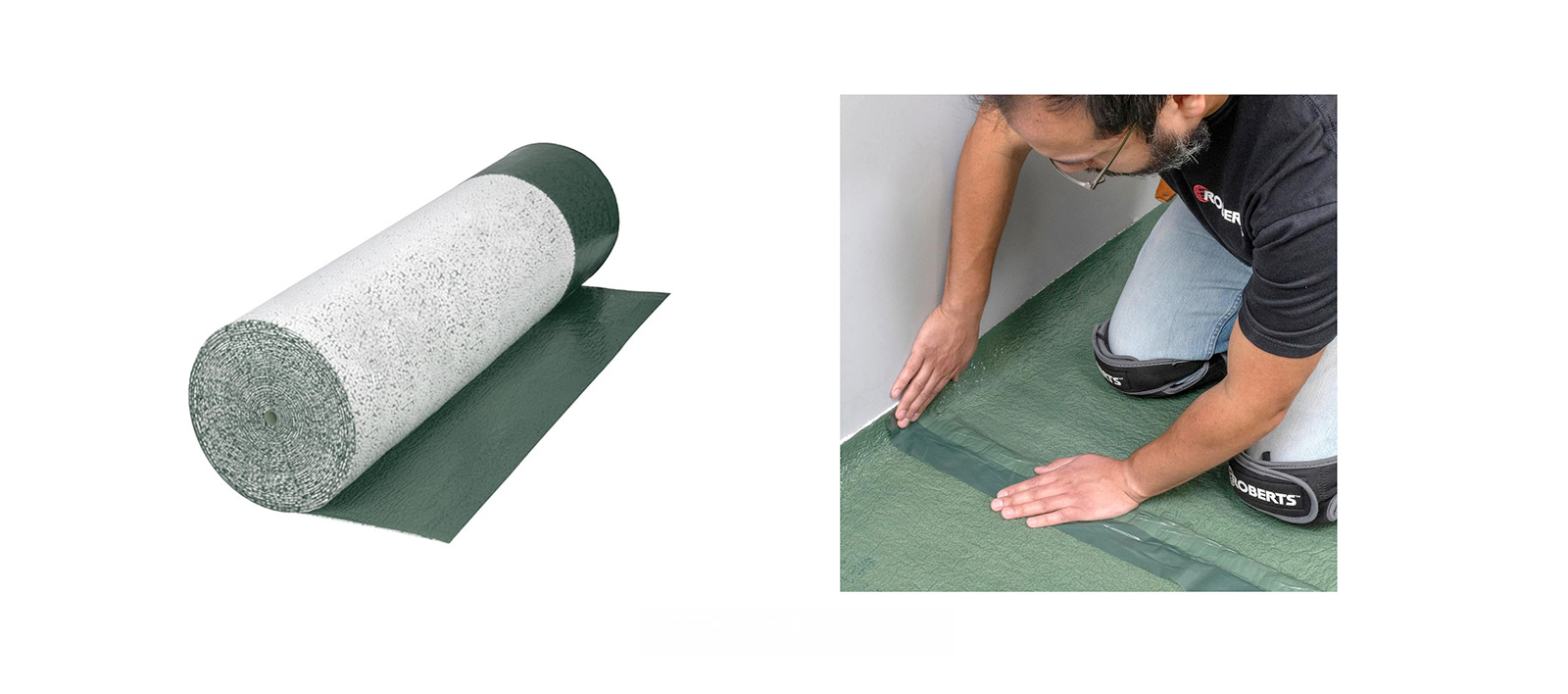
When we scope a floating hardwood installation, we do not treat underlayment as an afterthought. We look at what is being installed, what it is being installed over, and whether moisture or subfloor conditions should influence the product choice.
That is the difference between simply selling a floor and planning an installation. Every home is different — every job is custom.
A short conversation can help confirm the right direction for your project. We’ll talk through the flooring, the subfloor, and the details that can affect how the finished floor sounds and feels.