During frigid winters, your thermostat can quietly dry out your home and crack wood floors. Here's what to know: Heated air becomes dryer, causing wood to lose moisture and shrink. Surface cracks develop (called “checking”.) What's the safest zone? 30-50% relative humidity AND 60-80°F indoor temperature at all times in your home.
Why Winter Heat Can Crack Wood Floors - What Rhode Island Homeowners Should Know
During frigid winters, turning up the thermostat can quietly dry out your indoor air. When humidity drops too low, wood floors lose moisture, shrink, and can develop surface cracks. Yes, it even happened in our own home! If it can happen to me — and I've worked in the flooring industry for over 40 years — it can happen to you too.
The good news? Once you understand why it happens, it’s often preventable.
What Is “Checking” in Solid Hardwood or Engineered Wood Floors?
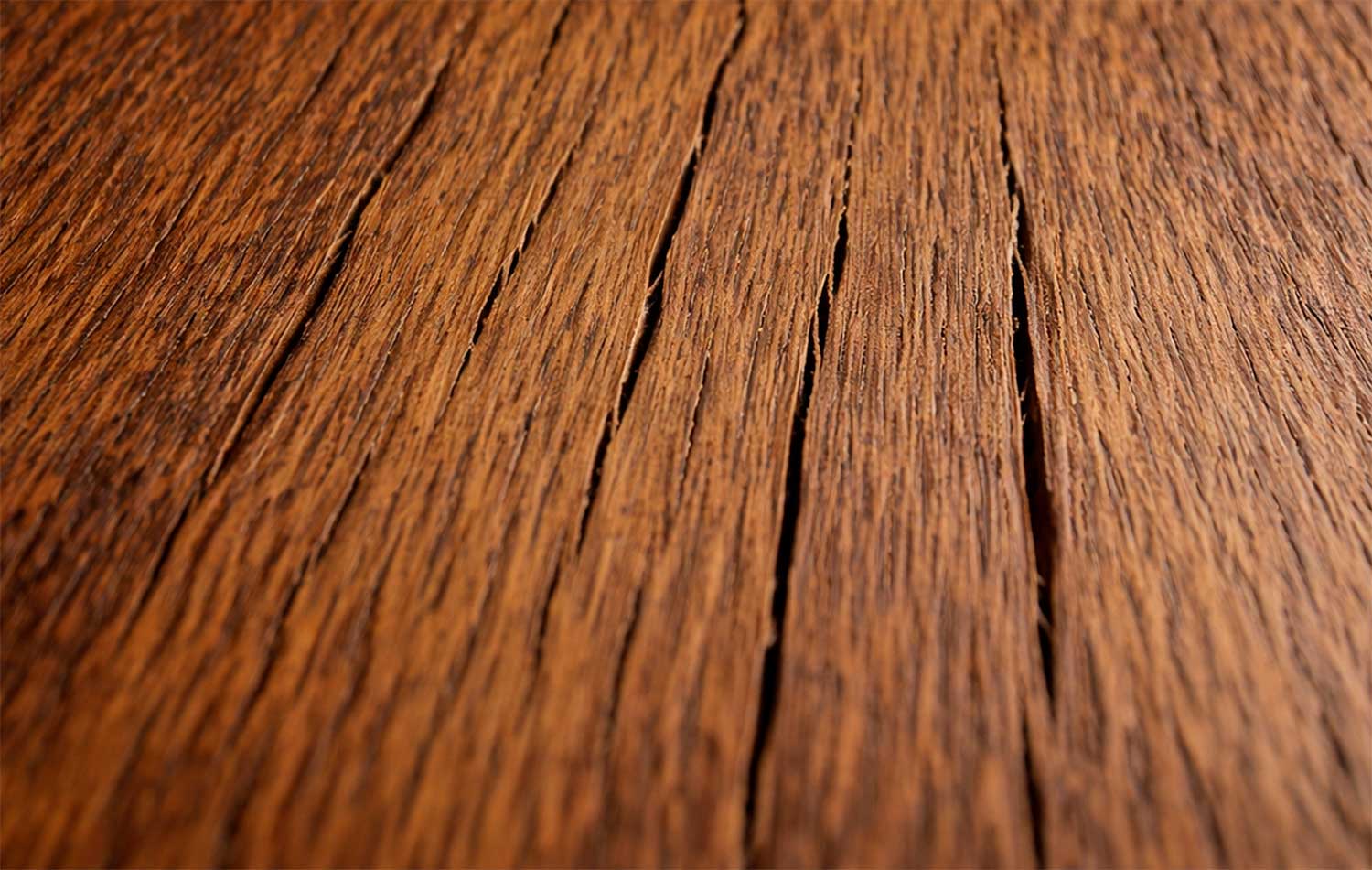
Wood is a natural material. Even when it’s engineered for stability, it still responds to changes in its environment — especially temperature and humidity. When wood flooring loses moisture and shrinks too quickly or too severely, small surface cracks can form in the wood veneer. This is known as checking, which you can see in the image below.
The Safe Zone for Wood Floors (How to Prevent Checking)
If you want to prevent checking, the best preventative measure is to keep your home between 30-50% relative humidity AND between 60–80°F indoor temperature at all times. That includes when you're away on vacation and during the night. When homes fall below that humidity range — which is extremely common during cold Rhode Island winters — the risk of checking increases significantly.
Many homeowners are surprised to learn their indoor humidity can drop into the teens or 20s once the heat is running full-time. If your house runs dry in winter, adding a humidifier can make a real difference. Even a portable or whole-home humidification strategy can help protect wood floors and improve comfort overall.
Engineered wood is a great flooring option for many homes, including seasonal and coastal properties on Aquidneck Island. It generally performs better than solid wood when conditions fluctuate. But, luxury vinyl plank (LVP) and laminate flooring are often more forgiving of dry air. At Island Carpet, we know every home is different and every job is custom. In this case, that means picking a material that aligns with how your home is actually lived in.
If you have any questions about engineered hardwood durability give us a call at 401-214-0285 or visit our showroom. We serve customers throughout Rhode Island and southeastern New England, including Newport, Middletown, Jamestown, Portsmouth, Bristol and more.
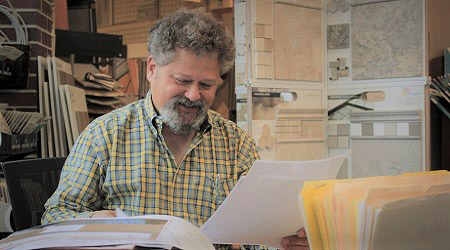
About Ken: Ken Fain is the co-owner of Island Carpet in Middletown, RI and a floorcovering veteran of more than 40 years. His popular 'Ask Ken' video series answers common flooring questions on a variety of topics. It has reached thousands of viewers on both YouTube and Facebook.
Get a free quote and measure.
695 West Main Road Middletown
Mon-Fri: 10am-6pm, Sat: 10am-3pm

Ken answers a new question every week! Check out: