Tile. Hardwood. Vinyl plank. Every hard surface floor needs a firm, flat base — and the problems under the floor have a way of showing up through it.
Most subfloor situations are fixable — we just need to know what we're working with first.
Browse our hard surface styles and we'll match the right product to your space, your household, and how you want the floor to hold up over time.
Humps, dips, soft spots, and old repairs all need to be addressed before new flooring goes down. We'll assess the space and tell you exactly what it needs.
Ken has 40+ years of experience spotting subfloor problems before they become installation failures. Here's what he looks for.
Hard surface floors — tile, hardwood, luxury vinyl plank — don't hide what's underneath them. A hump or a soft spot that felt minor before installation tends to telegraph right through the finished floor. Grout cracks. Planks pop. The new floor moves when it shouldn't.
The subfloor has to be firm and flat. That's not a preference — it's a requirement of the product. Most manufacturers say the same thing in their installation guidelines.
The good news is that most subfloor problems are correctable. Patching compounds handle low spots. A layer of new subfloor material can go over an older surface that's still structurally sound. We can address most situations without a full tear-out.
What we can't do is catch problems that no one looked for. That's what the site visit is for — walking the space before any product is chosen or ordered, so there are no surprises on installation day.
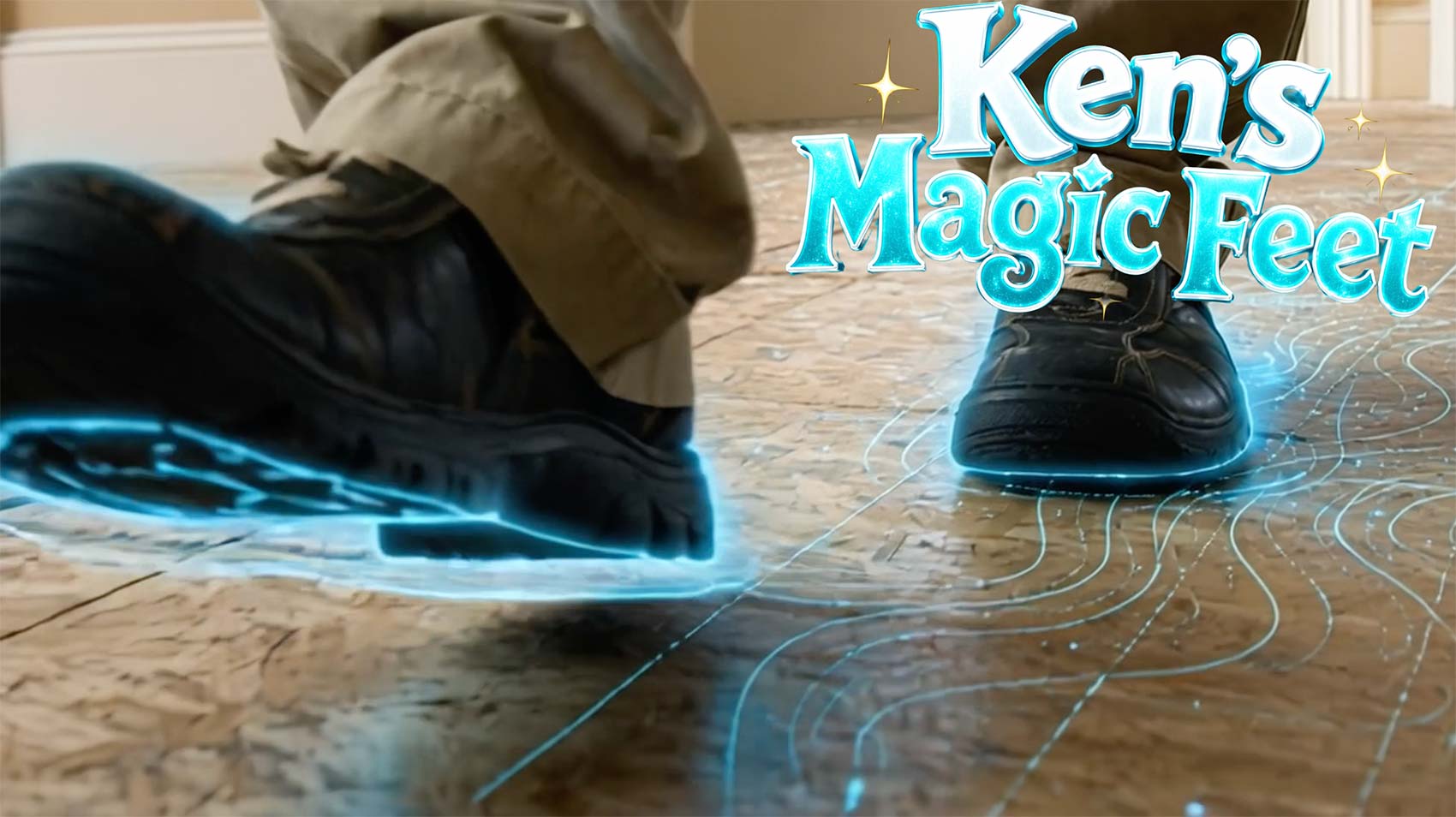
We walk the space on foot — feeling for flex, soft areas, and unevenness that don't always show up in photos. We'll look at what's there now, ask about the history of the room, and tell you plainly what the subfloor needs before a new floor can go down correctly.
Most of the time, that conversation resolves in a single visit. You'll know what you're dealing with, what it takes to address it, and what kind of flooring makes sense for the space — before you've committed to anything.
A short visit now prevents the kind of problems that show up after installation. Bring photos if you have them — we'll walk the space and tell you exactly what you're working with.